Life is a Teacher
“When you know how to listen, everybody is the Guru” - Ram Dass
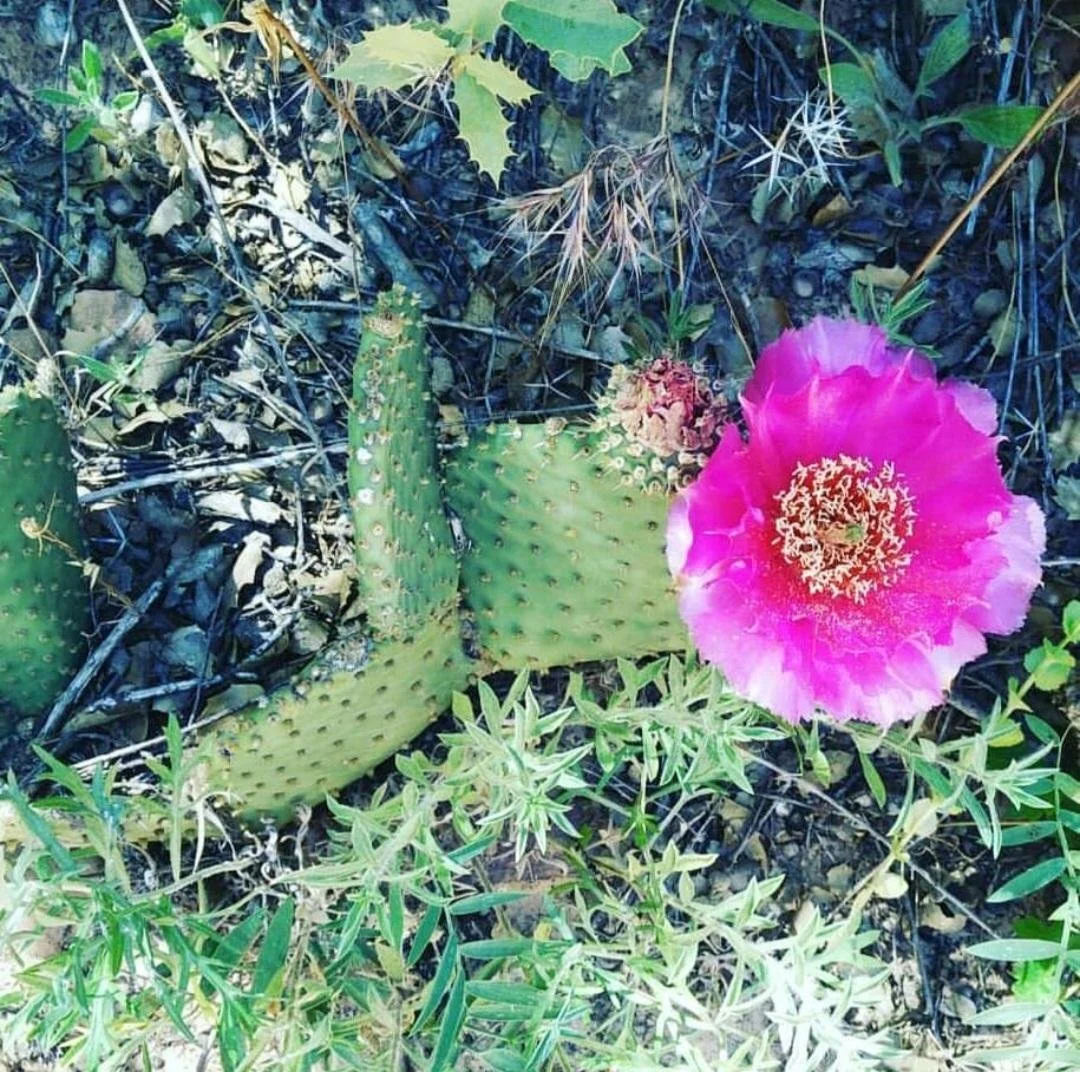
When I was hiking in Zion National Park in Utah many years ago, I came across a cactus and a flower growing together in the same place.
It immediately reminded me of a saying I had recently heard, something along the lines of: There are plants that can cause terrible pain when rubbed or crushed between the fingers. Yet growing nearby, you may find another plant that, when rubbed on the area, can help soothe the pain.
Sometimes what causes us discomfort and what helps us through it can be found growing in the same place.
Our nervous system is always learning from experience. It remembers patterns- what has brought comfort or discomfort, connection or rejection, safety or uncertainty, and uses those experiences to help us navigate what comes next.
Over time, repeated experiences can shape our expectations, emotional responses, coping mechanisms, and ways of relating to ourselves and the world around us. Eventually, many of these responses become automatic. We may not consciously recognize where they came from, yet they can continue influencing how we think, feel, interpret situations, make decisions, and respond to life.
The Patterns We Carry
You can think of these patterns like apps running in the background of your phone, quietly using up battery even when you’re not aware they’re running. In a similar way, these patterns can operate outside our awareness while still influencing what we notice, how we interpret experiences, what feels familiar or uncomfortable, and how we respond.
In psychology and neuroscience, aspects of this can be understood through concepts such as the subconscious, implicit memory, learned associations, and neural pathways. Eastern philosophy offers another way of understanding this through the concept of sanskara- impressions left by past experiences that can influence how we experience and respond to the present. Both point toward a similar idea: our experiences leave impressions, and those impressions can shape us.
The more often certain experiences and responses are repeated, the more familiar those pathways can become. Experiences accompanied by strong emotions can also leave particularly lasting impressions. Over time, what once required conscious thought may begin to happen almost automatically.
These patterns are not necessarily flaws. Many developed because, at some point, they made sense. They may have helped us find comfort, avoid discomfort, maintain connection, adapt to our environment, or protect ourselves.
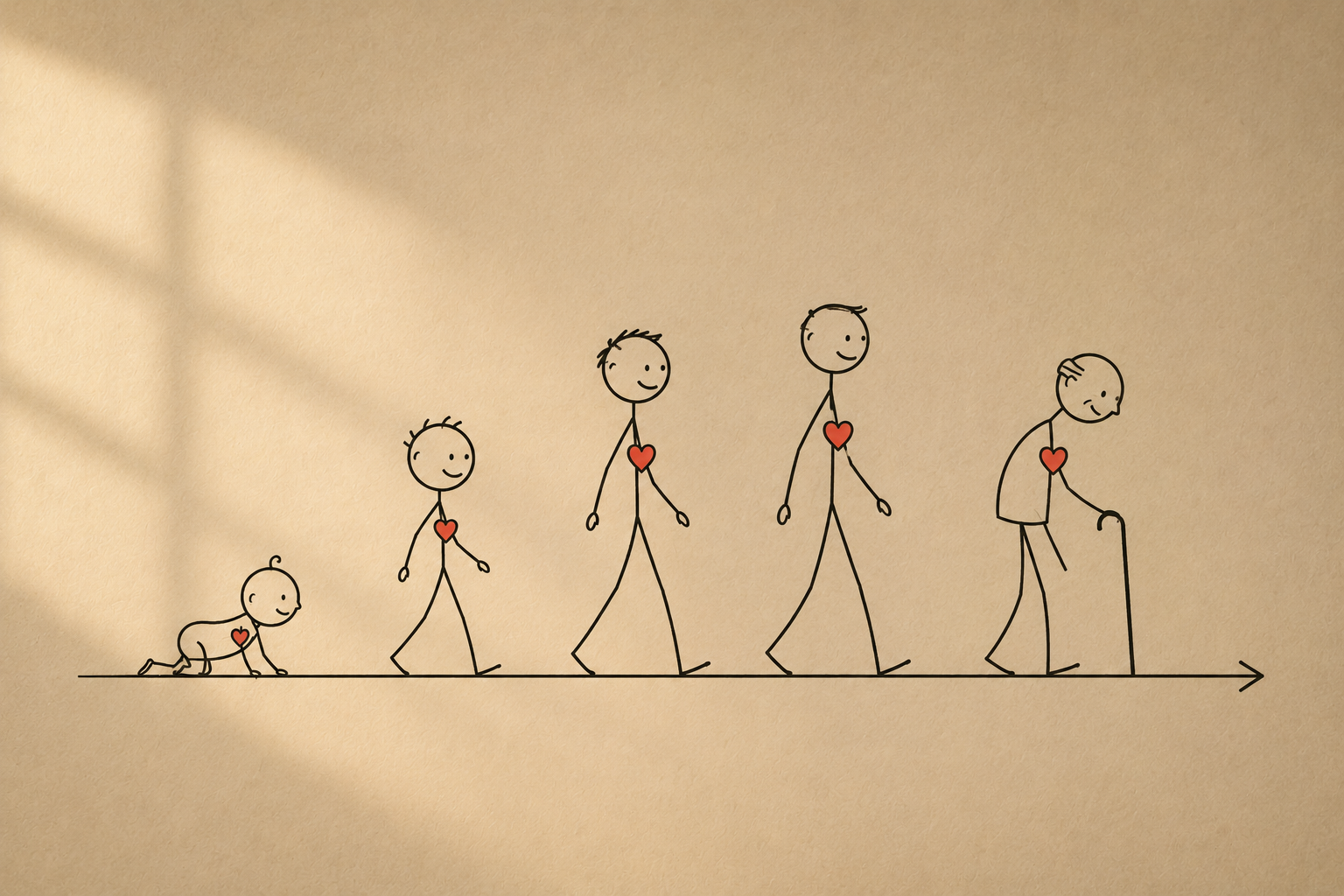
These patterns are not necessarily flaws. Many developed because, at some point, they made sense.
They may have helped us find comfort, avoid discomfort, maintain connection, adapt to our environment, or protect ourselves.
But sometimes yesterday's protection becomes today's limitation.
Using Life as a Teacher
Our current state of being can offer a window into what our nervous system has learned, stored, and continues to carry. Our thoughts, speech, actions, emotions, reactions, connections, intentions, perspectives, coping mechanisms, and even the way we speak to ourselves can become information to explore.
We can become curious:
What has my nervous system learned?
What has it learned to expect?
What might this response be trying to protect me from?
Where do I want to go from here?
Some of what we've learned may continue to serve us beautifully. There may be strengths, values, perspectives, and ways of navigating life that we want to carry forward. Other patterns may have been useful during one chapter of life but no longer fit the person we are becoming. And some may have developed in ways that never truly served us, but became familiar nonetheless.
Awareness gives us the opportunity to recognize the difference and to decide what we want to carry forward, what we want to reshape, and what we may be ready to release.
Your Nervous System as Your Younger Self
Your nervous system is every version of you that has existed. Think of it as the younger versions of you- the child who was experiencing life, learning from it, and adapting along the way. If a frightened child came to you, you probably wouldn't become angry with them for being afraid. You would listen. You would become curious about what frightened them. You would reassure them and help them feel safe enough to try again.And telling them once might not be enough. They may need to experience safety repeatedly before they begin to believe they are safe.
Our nervous system can be approached in much the same way. Instead of fighting an old response, we can become curious about why it's there. Instead of demanding immediate change, we can patiently give ourselves experiences that teach something different.
This Is Where Neuroplasticity Comes In
The pathways we developed through experience are not necessarily permanent.
Neuroplasticity describes the brain's ability to change and reorganize in response to experience, learning, and repeated activity. The same capacity that allowed past experiences and repetition to strengthen old neural pathways also gives us the ability to strengthen new ones.
Awareness is an important beginning, but understanding a pattern intellectually doesn't always make it disappear. The nervous system also learns through experience, feeling, repetition, and application. That might mean practicing a different response when an old one appears. Setting a boundary and experiencing what happens afterward. Staying present with an uncomfortable emotion instead of immediately escaping it. Allowing ourselves to rest. Receiving love or support. Speaking honestly despite discomfort. Responding to ourselves with compassion instead of criticism.
Little by little, these experiences give our nervous system new evidence.
With repetition, what once felt unfamiliar can gradually become more familiar. New experiences can strengthen new neural pathways, and responses that once required conscious effort may eventually begin to feel more natural.
Life taught us once. Life can continue teaching us.
Learn More:Neuroplasticity
Written by: Vivek Patel, MSN, FNP-C, PMHNP-BC
Medical Disclaimer: This article is for educational purposes only and is not a substitute for individualized medical advice.
